

Aircon Not Turning On: Practical Steps to Diagnose and Fix the Issue
- Refrigeration Team

- Mar 26
- 3 min read
When your air conditioner refuses to turn on, it can quickly become a major inconvenience, especially during hot days. Understanding why your aircon is not turning on helps you take the right steps to fix it or know when to call a professional. This guide will walk you through common causes, troubleshooting tips, and maintenance advice to get your aircon working efficiently again.
Common Reasons Why Your Aircon Is Not Turning On
Several factors can cause an air conditioner to fail to start. Identifying the root cause is the first step toward a solution. Here are some typical reasons:
Power Supply Issues: The aircon might not be receiving power due to a tripped circuit breaker, blown fuse, or unplugged unit.
Thermostat Problems: If the thermostat is set incorrectly or malfunctioning, the aircon will not activate.
Dirty or Clogged Filters: Blocked filters can cause the system to overheat and shut down.
Faulty Capacitor or Motor: These components are essential for starting the compressor and fan.
Refrigerant Leaks: Low refrigerant levels can prevent the aircon from turning on or cooling properly.
Control Board Malfunction: The electronic control board manages the aircon’s functions and can fail.
Checking these areas systematically can help you pinpoint the issue.
How to Check Your Aircon’s Power and Thermostat Settings
Start with the simplest checks before moving to more technical troubleshooting.
Inspect the Power Source
Ensure the aircon is plugged in securely.
Check your home’s circuit breaker panel for any tripped breakers or blown fuses. Reset or replace as needed.
If your aircon has a power switch, make sure it is turned on.
Verify Thermostat Settings
Set the thermostat to a temperature lower than the current room temperature to trigger cooling.
Switch the mode to "cool" instead of "fan" or "heat."
Replace batteries if your thermostat is battery-operated.
If the thermostat is digital, try resetting it according to the manufacturer’s instructions.
If these steps do not resolve the problem, the issue may be internal.

Inspecting Internal Components Safely
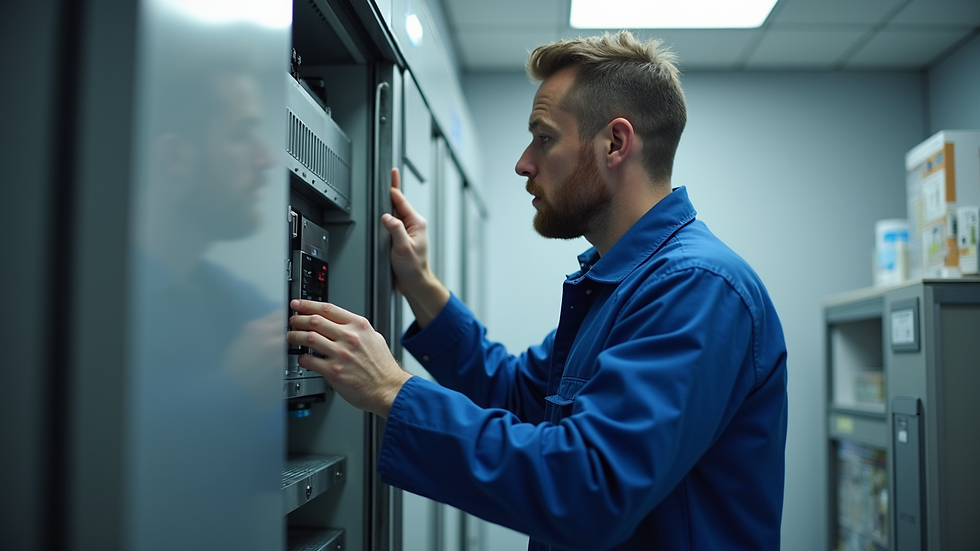
If you are comfortable with basic electrical safety and have the right tools, you can inspect some internal parts. Otherwise, it is best to contact a professional.
Check the Air Filter
Remove and inspect the air filter. If it is dirty or clogged, clean or replace it. A blocked filter restricts airflow and can cause the system to shut down.
Examine the Capacitor
The capacitor helps start the compressor and fan motors. A bulging or leaking capacitor indicates failure. Testing requires a multimeter and knowledge of electrical components.
Look for Refrigerant Leaks
Signs include ice buildup on coils or hissing sounds. Refrigerant handling requires certified technicians.
Inspect the Control Board
Look for burnt components or loose wiring. This is a complex task and usually requires professional diagnosis.
Always turn off power to the unit before opening panels or touching components.

When to Call a Professional Refrigeration and Air Conditioning Service
If your aircon still does not turn on after basic troubleshooting, it is time to seek expert help. Professionals have the tools and experience to:
Safely test electrical components
Detect and repair refrigerant leaks
Replace faulty parts like capacitors, motors, or control boards
Perform thorough maintenance to prevent future breakdowns
Choosing a reliable service provider ensures quick and transparent repairs. For homeowners and businesses in South Africa, finding a team that understands local conditions and regulations is essential.
Preventive Maintenance Tips to Avoid Aircon Failures
Regular maintenance can extend the life of your aircon and reduce the chances of it not turning on. Here are practical tips:
Clean or Replace Filters Monthly during heavy use seasons.
Schedule Professional Servicing Annually to check refrigerant levels, electrical components, and overall system health.
Keep Outdoor Units Clear of debris, plants, and dust to ensure proper airflow.
Use a Surge Protector to protect the unit from electrical spikes.
Monitor Thermostat Functionality and replace batteries regularly.
Implementing these steps helps maintain efficient cooling and reduces emergency repair needs.
Understanding the Importance of Quick Repairs
Delaying repairs when your aircon is not turning on can lead to more extensive damage and higher costs. For example, running a system with a faulty capacitor or low refrigerant can cause the compressor to fail. This is why Refrigeration Team aims to be the top choice for refrigeration and air conditioning services across South Africa, focusing on quick, reliable solutions for both homes and businesses, and building a reputation for expert, transparent service.
Taking prompt action saves money and keeps your environment comfortable.
By following these guidelines, you can troubleshoot why your aircon is not turning on and know when to call for professional help. Regular maintenance and timely repairs will keep your air conditioning system running smoothly for years to come.

Comments