

Aircon Electrical Fault Repair: A Practical Guide for South African Homes and Businesses
- Refrigeration Team

- Mar 26
- 3 min read
When your air conditioning system stops working properly, it can quickly become a major inconvenience. Electrical faults are a common cause of aircon breakdowns, and knowing how to identify and address these issues can save you time and money. In this guide, I will walk you through the key steps to diagnose and repair aircon electrical faults effectively. This information is tailored for homeowners and businesses across South Africa who rely on refrigeration and air conditioning services.
Understanding Common Aircon Electrical Faults
Electrical faults in air conditioning units can arise from various sources. The most frequent issues include:
Tripped circuit breakers or blown fuses: These protect your system from electrical overloads.
Faulty wiring or loose connections: Over time, wires can degrade or become disconnected.
Defective capacitors: These components help start the compressor and fan motors.
Malfunctioning contactors or relays: These control the power flow to different parts of the unit.
Thermostat problems: Incorrect signals can cause the system to stop working.
Each of these faults can cause your aircon to stop cooling, make unusual noises, or fail to start altogether. Identifying the exact cause requires a systematic approach.
How to Safely Diagnose Electrical Issues in Your Aircon
Before you begin any troubleshooting, ensure your safety by turning off the power supply to the air conditioning unit at the main breaker. Use a multimeter to check for voltage and continuity in the electrical components. Here’s a step-by-step process:
Check the circuit breaker panel: Look for any tripped breakers or blown fuses and reset or replace them if necessary.
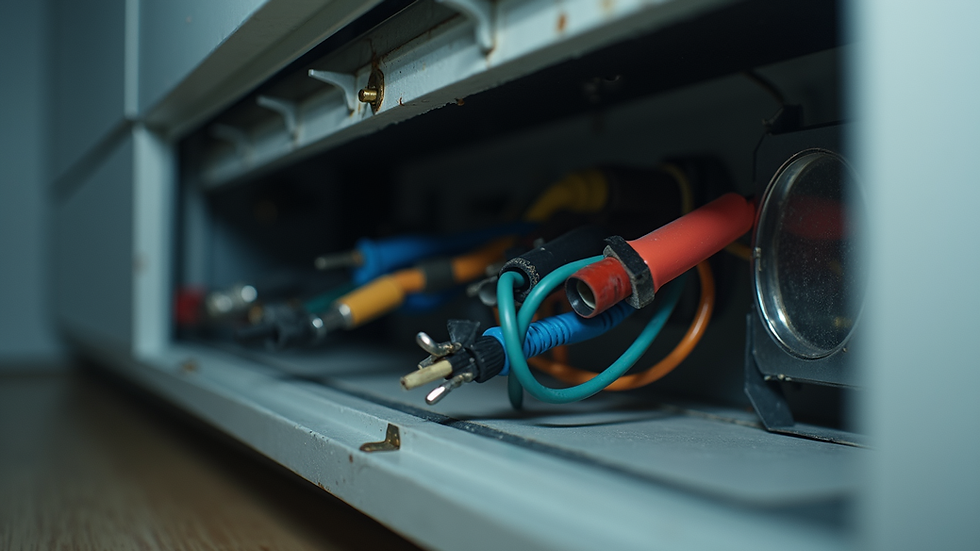
Inspect wiring connections: Open the unit’s access panel and examine wires for signs of wear, corrosion, or loose connections.
Test the capacitor: Use a multimeter with a capacitance setting to measure the capacitor’s value. Replace it if it’s outside the manufacturer’s specifications.
Examine contactors and relays: Listen for clicking sounds when the unit starts. If these components fail to engage, they may need replacement.
Verify thermostat operation: Ensure the thermostat is set correctly and sending the right signals to the aircon.
If you are not comfortable performing these checks, it is best to contact a professional technician.
Tools and Materials Needed for Aircon Electrical Fault Repair
Having the right tools and materials on hand will make the repair process smoother. Here’s what you should prepare:
Multimeter (for voltage, resistance, and capacitance testing)
Screwdrivers (flathead and Phillips)
Wire strippers and cutters
Electrical tape and wire connectors
Replacement capacitors, fuses, or contactors (specific to your aircon model)
Insulated gloves and safety glasses
Using quality tools and genuine replacement parts ensures a reliable repair and extends the life of your air conditioning system.
Step-by-Step Guide to Repairing Electrical Faults in Your Aircon
Once you have identified the faulty component, follow these steps to repair it:
Power off the unit: Confirm the power is off before touching any electrical parts.
Remove the faulty component: Carefully disconnect wires and remove the defective capacitor, fuse, or contactor.
Install the replacement part: Connect the new component exactly as the old one was wired.
Secure all connections: Tighten screws and use wire connectors to prevent loose wiring.
Restore power and test: Turn the power back on and run the aircon to check if it operates correctly.
If the aircon still does not work, the problem may be more complex, requiring professional diagnosis.

Preventive Measures to Avoid Future Electrical Faults
Regular maintenance can help prevent electrical faults in your aircon. Here are some practical tips:
Schedule professional inspections at least once a year.
Keep the unit clean and free from dust and debris.
Check electrical connections periodically for signs of wear.
Avoid overloading the circuit by ensuring your electrical system can handle the aircon’s power requirements.
Replace worn-out components promptly to prevent further damage.
By following these steps, you can reduce the risk of unexpected breakdowns and extend the lifespan of your air conditioning system.
When to Call a Professional for Aircon Electrical Repairs
While some electrical faults can be fixed with basic tools and knowledge, others require expert attention. You should contact a professional if:
You are unsure about handling electrical components safely.
The fault involves complex wiring or circuit board issues.
The aircon repeatedly trips breakers or blows fuses.
The unit shows signs of overheating or burning smells.
Repairs do not restore proper function.
Professional technicians have the training and equipment to diagnose and repair electrical faults efficiently. They also ensure compliance with South African electrical safety standards.
By understanding how to identify and repair aircon electrical faults, you can keep your cooling system running smoothly. Whether you choose to perform minor repairs yourself or hire a professional, timely action is key to maintaining comfort and safety in your home or business. For reliable and expert refrigeration and air conditioning services across South Africa, consider reaching out to trusted specialists who prioritize quick and transparent solutions.


Comments