

AC Power Issue Repair: A Practical Guide for South African Homes and Businesses
- Refrigeration Team

- Mar 26
- 4 min read
When your air conditioning system stops working due to power issues, it can disrupt comfort and operations. Understanding how to identify and repair AC power problems is essential. This guide will walk you through common causes, troubleshooting steps, and repair tips to get your AC running smoothly again.
Understanding Common AC Power Issues
AC power problems often stem from electrical faults or component failures. Here are some typical issues you might encounter:
Tripped Circuit Breaker: The breaker protecting your AC unit may trip due to overload or short circuits.
Blown Fuses: Fuses in the AC’s electrical panel can blow, cutting power to the unit.
Faulty Wiring: Loose or damaged wiring can interrupt power flow.
Capacitor Failure: The capacitor helps start the compressor and fan motors; if it fails, the AC won’t power on.
Thermostat Problems: A malfunctioning thermostat can prevent the AC from receiving the correct signals.
Compressor Issues: The compressor may fail to start due to electrical faults.
Identifying the exact cause requires careful inspection and testing.
How to Safely Troubleshoot AC Power Problems
Before you begin any repair work, safety is paramount. Follow these steps to troubleshoot power issues safely:
Turn Off Power: Switch off the main power supply to the AC unit at the breaker panel.
Inspect the Breaker and Fuses: Check if the breaker has tripped or if any fuses are blown. Reset or replace as needed.
Examine Wiring Connections: Look for loose, burnt, or corroded wires. Tighten or replace damaged wiring.
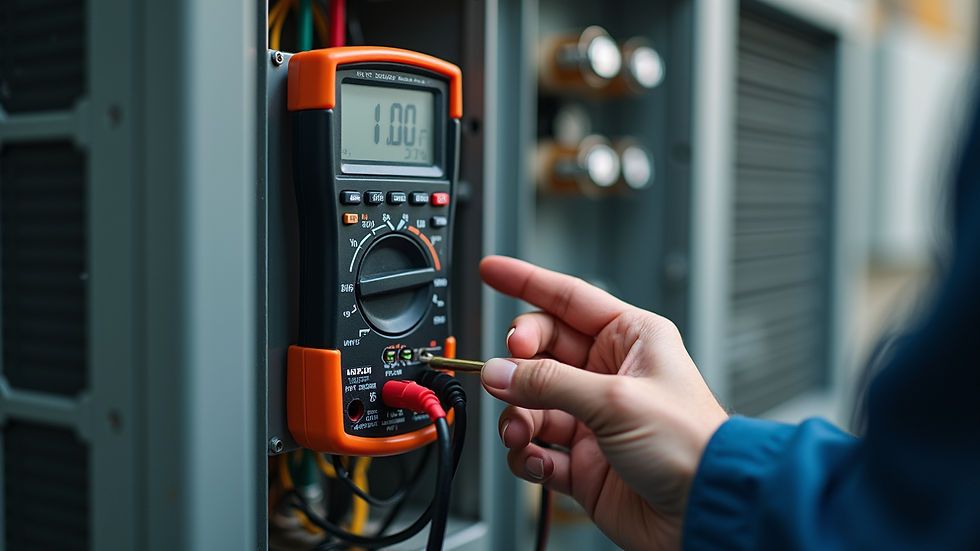
Test the Capacitor: Use a multimeter to check the capacitor’s microfarad rating. Replace if readings are outside the recommended range.
Check the Thermostat: Ensure the thermostat is set correctly and functioning. Replace batteries or the unit if necessary.
Listen for Compressor Sounds: If the compressor hums but does not start, it may indicate a start relay or capacitor issue.
Always use insulated tools and wear protective gear. If you are unsure about any step, consult a professional.

Essential Tools and Materials for AC Power Repair
Having the right tools makes AC power repair more efficient and safer. Here’s what you should have on hand:
Multimeter: For measuring voltage, current, and resistance.
Screwdrivers: Both flathead and Phillips for panel removal.
Insulated Pliers and Wire Strippers: For handling and repairing wiring.
Replacement Fuses and Capacitors: Specific to your AC model.
Electrical Tape and Wire Nuts: For securing connections.
Voltage Tester: To confirm power is off before working.
Thermostat Batteries: If applicable.
Keep your tools organized and ready before starting any repair work.
Step-by-Step Guide to Repairing AC Power Issues
Follow these practical steps to fix common AC power problems:
Step 1: Reset the Circuit Breaker or Replace Fuses
Locate your breaker panel.
Identify the breaker for the AC unit.
If tripped, switch it off and then back on.
For blown fuses, replace with the exact type and rating.
Step 2: Repair or Replace Faulty Wiring
Inspect wiring for damage or loose connections.
Turn off power before handling wires.
Tighten loose connections or replace damaged wires.
Use wire nuts and electrical tape to secure repairs.
Step 3: Replace a Faulty Capacitor
Discharge the capacitor safely using a resistor or insulated screwdriver.
Remove the old capacitor and note the wiring configuration.
Install the new capacitor matching the microfarad rating.
Secure connections and close the panel.
Step 4: Fix Thermostat Issues
Replace batteries if the thermostat is battery-powered.
Check wiring connections at the thermostat.
Replace the thermostat if it does not respond or control the AC properly.
Step 5: Address Compressor Start Problems
Test the start relay and capacitor.
Replace faulty components.
If the compressor still does not start, professional service may be required.
When to Call a Professional for AC Power Repairs
Some AC power issues require expert attention. Consider professional help if:
You are uncomfortable working with electrical components.
The problem persists after basic troubleshooting.
The compressor or motor shows signs of failure.
You need to comply with local electrical codes and safety standards.
Your AC unit is under warranty and repairs must be authorized.
Professional technicians have the tools and experience to diagnose and fix complex issues safely and efficiently.
Maintaining Your AC to Prevent Power Issues
Regular maintenance reduces the risk of power problems. Here are some tips:
Schedule annual inspections and tune-ups.
Keep the electrical panel clean and dry.
Replace air filters regularly to reduce strain on the system.
Monitor the thermostat and replace batteries yearly.
Clear debris around outdoor units to ensure proper airflow.
Proactive care extends the life of your AC and ensures reliable performance.
Final Thoughts on AC Power Issue Repair
Dealing with AC power issues can be straightforward if you follow safe, step-by-step procedures. By understanding common problems, using the right tools, and knowing when to seek professional help, you can restore your air conditioning system quickly. This approach supports uninterrupted comfort and productivity in your home or business.
For more detailed guidance and professional service options, visit Refrigeration Team. Their expertise ensures quick, reliable solutions tailored to South African homes and businesses.
By following this guide, you are better equipped to handle AC power issues effectively and maintain a comfortable environment year-round.



Comments