

AC Electrical & Power Issues: What You Need to Know
- Refrigeration Team

- Mar 26
- 4 min read
When your air conditioning system stops working properly, it is often due to electrical or power issues. Understanding these problems can help you identify the cause and take the right steps to fix them quickly. This guide will walk you through common AC electrical and power issues, how to spot them, and what you can do to resolve them safely.
Common Electrical Problems in Air Conditioning Systems
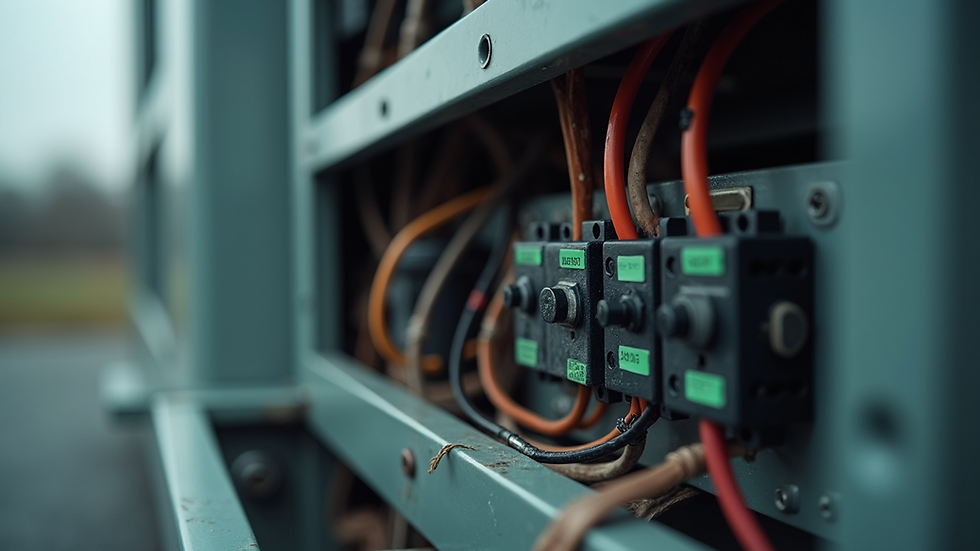
Electrical problems are a frequent cause of AC failure. These issues can range from simple blown fuses to more complex wiring faults. Here are some common electrical problems you might encounter:
Tripped Circuit Breakers: Your AC unit draws a lot of power. If the circuit breaker trips, it cuts power to prevent damage. This can happen if the AC is overloaded or if there is a short circuit.
Blown Fuses: Fuses protect your AC from electrical surges. A blown fuse means the circuit was overloaded or there was a fault.
Faulty Wiring: Over time, wiring can become loose, corroded, or damaged. This can cause intermittent power loss or complete failure.
Capacitor Failure: The capacitor helps start the compressor and fan motors. If it fails, the AC may not start or run properly.
Contactor Issues: The contactor controls the power flow to the compressor and fan. A worn or stuck contactor can prevent the AC from turning on.
If you notice your AC is not turning on, or it turns off unexpectedly, start by checking your circuit breaker and fuses. If these are fine, the problem may be inside the unit and require professional inspection.
How to Safely Troubleshoot Power Issues
When dealing with electrical components, safety is your top priority. Here are steps you can take to troubleshoot power issues safely:
Turn Off Power: Before inspecting or working on your AC, switch off the power at the main breaker.
Check the Circuit Breaker: Look for any tripped breakers and reset them if necessary.
Inspect Fuses: Replace any blown fuses with the correct type and rating.
Look for Visible Damage: Check wiring and connections for signs of wear, corrosion, or burning.
Test the Capacitor: Use a multimeter to check if the capacitor holds a charge. If not, it needs replacement.
Listen for Unusual Sounds: Buzzing or clicking noises can indicate contactor or relay problems.
If you are not comfortable working with electrical components, it is best to call a professional. Incorrect handling can cause injury or further damage to your AC system.
Diagnosing Power Supply Problems
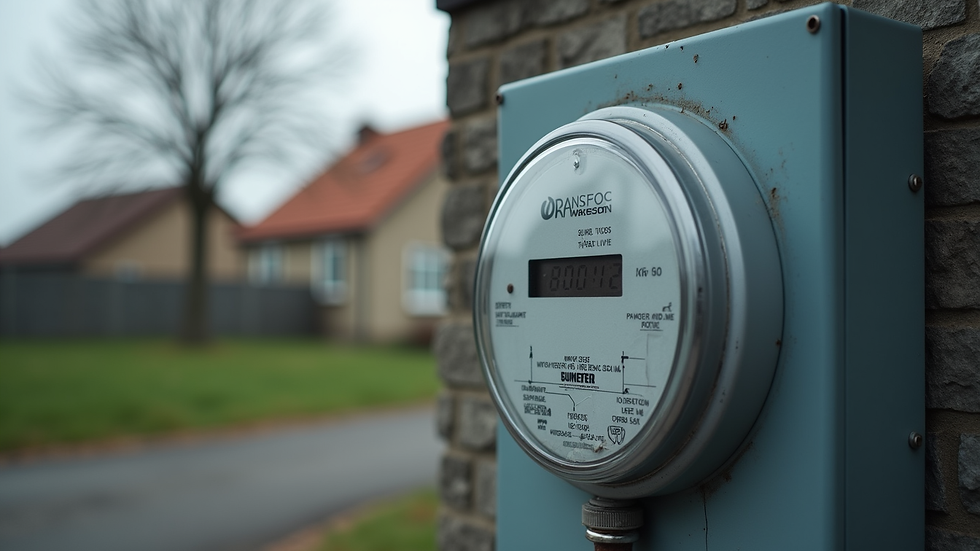
Sometimes the issue is not with the AC unit itself but with the power supply to your home or business. Here are some common power supply problems that affect AC performance:
Voltage Fluctuations: Sudden drops or spikes in voltage can damage your AC’s electrical components.
Inadequate Power Supply: Older buildings or overloaded circuits may not provide enough power for modern AC units.
Loose or Damaged Power Cords: Check the power cord and plug for damage or loose connections.
Power Outages: Frequent outages can cause repeated stress on your AC’s electrical system.
To protect your AC from power supply issues, consider installing a surge protector or voltage stabilizer. These devices help maintain a steady power flow and prevent damage.
When to Call a Professional for AC Electrical Issues
While some minor electrical problems can be fixed by homeowners, many require professional expertise. You should contact a qualified technician if:
The circuit breaker trips repeatedly when the AC runs.
You smell burning or see smoke near the AC unit.
The AC does not start despite resetting breakers and replacing fuses.
You hear unusual noises like buzzing or clicking inside the unit.
You notice visible damage to wiring or electrical components.
You want to upgrade your electrical system to support a new AC unit.
A professional technician has the tools and knowledge to diagnose and repair electrical faults safely. They can also perform routine maintenance to prevent future issues.
Preventing Electrical and Power Issues in Your AC
Preventing electrical problems is easier than fixing them. Here are practical tips to keep your AC’s electrical system in good condition:
Schedule Regular Maintenance: Have your AC inspected and serviced at least once a year.
Keep the Area Clean: Remove dust and debris around the unit to prevent overheating.
Check Electrical Connections: Ensure all wiring and connections are tight and corrosion-free.
Avoid Overloading Circuits: Do not plug too many devices into the same circuit as your AC.
Use Surge Protectors: Protect your AC from voltage spikes.
Replace Old Components: Capacitors, contactors, and fuses wear out over time and should be replaced as needed.
By following these steps, you can extend the life of your air conditioning system and avoid costly repairs.
Understanding the Role of Electrical Components in AC Systems
Your AC system relies on several key electrical components to function properly. Knowing their roles can help you understand potential issues:
Compressor: The heart of the AC, it compresses refrigerant to cool the air.
Fan Motor: Circulates air over the evaporator and condenser coils.
Capacitor: Provides the initial boost to start the compressor and fan motors.
Contactor: Acts as a switch to control power flow to the compressor and fan.
Thermostat: Controls when the AC turns on and off based on temperature settings.
If any of these components fail, your AC will not operate correctly. Regular checks and timely replacements are essential.
Final Thoughts on Managing AC Electrical & Power Issues
Dealing with AC electrical and power issues can be challenging, but understanding the basics helps you act quickly and safely. Always prioritize safety and do not hesitate to seek professional help when needed. Regular maintenance and proper care will keep your air conditioning system running smoothly and efficiently.
For more detailed guidance and professional service, you can visit Refrigeration Team, your trusted partner for refrigeration and air conditioning services across South Africa.
By staying informed and proactive, you can avoid unexpected breakdowns and enjoy reliable cooling all year round.


Comments